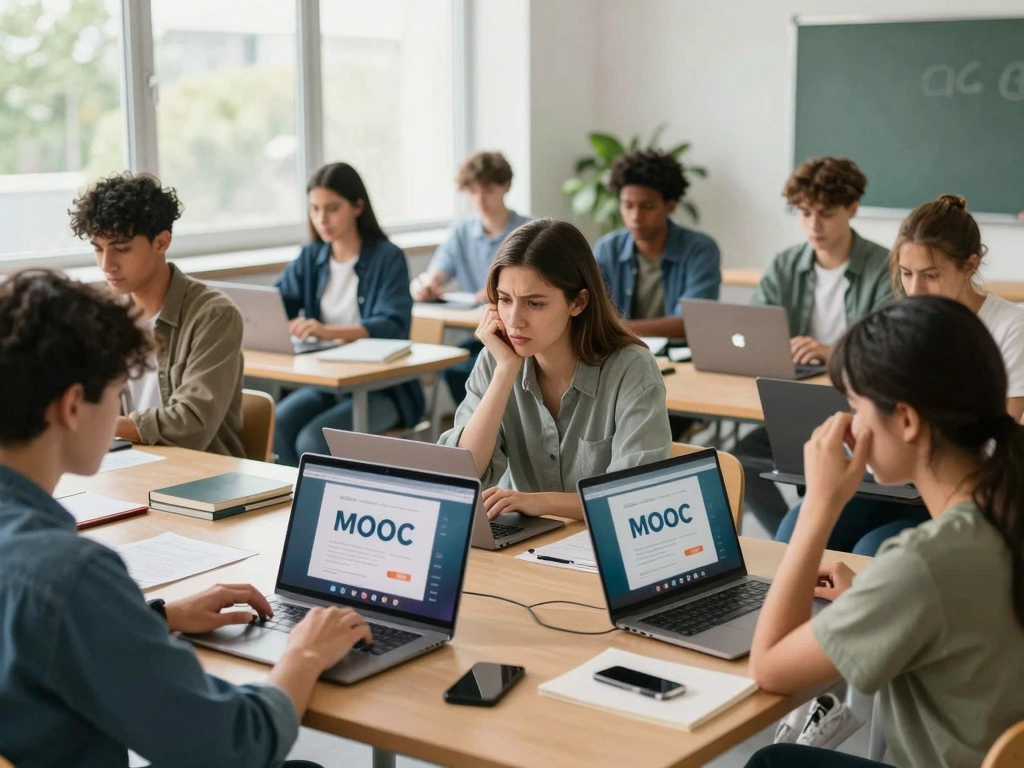
The Evolution of AI in Adult Learning
The integration of artificial intelligence in adult education is reshaping how individuals engage with learning materials and navigate career development. The term AI 18+ references the specific application of AI technologies within adult learning contexts, emphasizing the importance of tailored educational experiences for mature learners. With technological advancements occurring at an unprecedented pace, understanding the dynamics of AI in adult education is crucial for both educators and learners alike.
Understanding AI 18+ and Its Impact on Education
AI 18+ encompasses a variety of technologies that adapt to the needs of adult learners, enhancing the overall learning experience. These innovations include personalized learning algorithms, chatbots for real-time assistance, and data analytics to track progress. By leveraging AI, educational institutions can provide a more customized learning environment that caters to the unique challenges faced by adult learners, such as balancing education with work and family responsibilities. When exploring options, ai 18+ provides comprehensive insights into how these technologies enhance educational outcomes.
Current Trends in AI-Powered Learning Platforms
Several trends are currently shaping the landscape of AI in adult education. For instance, there is a growing adoption of adaptive learning technologies that tailor content based on individual learner performance. Furthermore, platforms are increasingly utilizing virtual and augmented reality to create immersive learning experiences that engage adult learners in practical skill development. These AI-powered platforms also collect data that offers insights into learning behaviors, allowing educators to refine their approaches and materials accordingly.
Challenges and Opportunities for Adult Learners
While AI in education presents numerous opportunities, it also poses significant challenges. One major issue is the digital divide; not all adult learners have equal access to the necessary technology. Additionally, there can be resistance to adopting new technologies among more traditional or non-tech-savvy demographics. However, the benefits of AI, such as flexibility in learning schedules and personalized pathways, can encourage more adult learners to embrace education as a lifelong endeavor.
Key Technologies Driving AI Learning Experiences
Innovative Tools for AI Education
Innovative tools such as learning management systems (LMS) powered by AI are transforming how educational content is delivered. These systems can analyze learner engagement and adapt content in real-time, ensuring that adult learners remain engaged and challenged. Tools like intelligent tutoring systems provide personalized feedback, allowing students to learn at their own pace without feeling overwhelmed.
Integration of AI in Traditional Learning Models
Integrating AI into traditional learning models enhances their effectiveness by introducing elements of automation and personalization. For example, AI can streamline administrative tasks, freeing educators to focus on teaching and mentoring. In blended learning environments, where online and in-person instruction coexist, AI tools can facilitate smoother transitions and provide valuable insights into student performance across different modalities.
Case Studies of Successful AI Learning Programs
Various organizations have successfully implemented AI learning programs. One notable example is IBM's Skills Gateway, which offers tailored learning experiences through AI-driven recommendations based on user skill levels and career goals. Similarly, Coursera's machine learning features provide users with personalized course suggestions, enhancing learner engagement and outcomes.
Skill Development and Career Implications of AI 18+
Essential Skills for Professionals in an AI-Driven World
In an age increasingly influenced by AI, certain skills are becoming essential for professionals. These include data literacy, critical thinking, and adaptability. Understanding AI technologies and their applications also becomes vital as organizations seek employees who can leverage these tools to improve efficiency and innovation.
The Role of Continuous Learning and Upskilling
Continuous learning and upskilling are paramount in the rapidly evolving job market. Adult learners must engage with ongoing education to remain competitive. Platforms that offer AI-driven insights into emerging skill demands can guide learners toward the most relevant courses and certifications.
Industry-Specific AI Skills Demands
Different industries have unique AI skill requirements. For example, the healthcare industry increasingly relies on AI for diagnostics and patient management, necessitating that professionals develop skills in data analysis and AI ethics. Conversely, in sectors like marketing, proficiency in AI tools for data-driven decision-making is becoming crucial.
Preparing for the Future: Best Practices
Creating Effective Learning Environments for AI 18+
Creating learning environments that foster the effective use of AI requires thoughtful planning and execution. Institutions should prioritize user-friendly interfaces and ensure that educational content is accessible to all adult learners, regardless of their background or technological proficiency.
Strategies for Engaging Adult Learners
Engaging adult learners involves recognizing their unique motivations and learning styles. Providing flexible learning options, such as self-paced courses and interactive workshops, can enhance learner engagement. Additionally, incorporating real-world applications into the curriculum helps learners see the value of their education in practical contexts.
Measuring Success and Learning Outcomes
Assessing the success of AI in adult learning involves evaluating both short-term and long-term outcomes. Institutions should employ various metrics, including course completion rates, skills acquisition, and learner satisfaction to gauge effectiveness. These insights can inform future educational strategies, ensuring that they meet the evolving needs of adult learners.
Looking Ahead: The Future of AI in Education
Predictions for AI Learning Technologies by 2026
By 2026, AI learning technologies are expected to be even more sophisticated, with advancements in natural language processing and machine learning leading to enhanced personalized learning experiences. Collaborative platforms that use AI to connect learners with mentors and peers will likely gain popularity, fostering community engagement in education.
Emerging Trends in Adult Education and AI
Emerging trends indicate a shift toward hybrid learning models where online and offline learning coexist seamlessly. The use of AI to facilitate this shift will be crucial, providing insights into learner preferences and performance across various formats.
Expert Opinions on the Future Relevance of AI 18+
Industry experts predict that the relevance of AI 18+ will grow significantly, especially as more organizations adopt AI technologies for their operations. As a result, educational programs centered around AI capabilities will become essential to equip adults with the necessary skills for the workforce of the future.
What are the benefits of AI 18+ in adult education?
AI 18+ offers numerous benefits in adult education, such as personalized learning paths, immediate feedback, and increased access to resources tailored to individual learning needs. By harnessing these advantages, adult learners can experience more effective and engaging educational journeys.
How can I get started with AI learning as an adult?
Getting started with AI learning as an adult involves identifying your goals and selecting appropriate resources. Online platforms, community colleges, and professional workshops offer various programs catered to adults. Begin with basic courses to build your foundational knowledge before progressing to more advanced topics.
What industries will benefit the most from AI 18+ education?
Several industries, including healthcare, finance, and technology, stand to gain significantly from AI 18+ education. These sectors require a workforce skilled in AI applications to drive innovation and improve efficiency, making targeted education critical for future success.
Are there specific certifications available for AI 18+?
Yes, numerous certifications are available for adult learners interested in AI 18+. Organizations such as Coursera, edX, and industry-specific institutions offer certifications in areas such as machine learning, data analytics, and AI ethics, enhancing employability in a competitive job market.
How will AI 18+ change the landscape of professional development?
AI 18+ is poised to transform professional development by providing tailored learning experiences that reflect individual career aspirations and market demands. By enabling personalized learning, AI can foster a culture of continuous improvement, helping professionals adapt to the evolving demands of their industries.